Poon Hill & Mulde Peak Trek Packing List
Footwear
- Waterproof walking boots with ankle support
- Walking socks
- Yaktrax (for icy conditions)
- Trainers or trail shoes for lodge use
Clothing
- Waterproof jacket and trousers (Gore-Tex or similar)
- Trekking trousers
- Long-sleeve shirts (avoid cotton)
- Mid- to heavyweight fleece
- Sleeveless or body-warmer fleece
- Thermal base layers (merino wool or synthetic)
- Fleece pants
- Medium-weight down jacket (e.g., The North Face Nuptse jacket)
Handwear & Headwear
- Fleece gloves
- Warm mittens or gloves
- Wool or fleece hat
- Sun hat
- Bandana or scarf
- Head torch with extra batteries
- Sunglasses
Personal Equipment
- Day pack (under 5 kg) for essentials like jacket, snacks, water, camera, and first-aid kit
- Stuff sacks for dry and organized gear
- Water bottles (Nalgene wide-mouth recommended)
- Sunscreen and high-SPF lip balm
- Water purification tablets (Aqua Tab, chlorine dioxide)
- Favorite snacks
- Trekking poles (optional)
- Camera with spare batteries and memory cards
- Insurance certificate
- Flashlight
- Earplugs (optional)
- Hand sanitizer
- Face mask
- Spare cash for extras (showers, hot water, charging)
Travel Essentials
- Small combination padlock for luggage
- Casual travel clothes for flights and Kathmandu
- Toiletry bag (toilet paper, soap, towel, toothbrush, etc.)
- Quick-dry towel
- Personal first-aid kit and medications
Poon Hill & Mulde Peak Trek Temperature Guide
The Poon Hill Trek experiences varied temperatures across seasons.
- Spring (Mar–May): Daytime 10°C to 24°C, nights -5°C to 10°C
- Monsoon (Jun–Aug): Daytime 18°C to 25°C, nights 5°C to 15°C
- Autumn (Sept–Nov): Daytime 10°C to 24°C, nights -5°C to 10°C
- Winter (Dec–Feb): Daytime 5°C to 15°C, nights -15°C to 5°C
Altitude and Temperature Considerations
- Poon Hill (3,210 m): Pre-dawn temperatures can drop to 0°C or below, even in April and October.
- Mulde Peak (3,637 m): About 3–5°C colder than Poon Hill, with stronger wind chill and freezing early-morning temperatures year-round.
- Ghorepani (2,874 m): Daytime temperatures average 12–13°C during peak seasons; winter nights can fall to -5°C.
Trekkers should layer clothing, carry warm gear, and prepare for cold mornings at higher elevations.
Teahouse Lodge Accommodation on Poon Hill & Mulde Peak Trek
Most teahouses along the trek are basic but clean, offering simple amenities. Rooms usually have two single beds with a mattress, pillow, and blanket. We recommend bringing a three-season sleeping bag for added comfort. Walls are often thin plywood, so earplugs may help with noise.
Bathrooms are generally shared. Western-style toilets are common, though squat toilets appear in remote areas. Lodges in Tadapani have shared toilets, while those in Ghandruk and Ghorepani often have attached toilets. Hot showers are available for an extra fee of 150–500 NPR ($1–$4 USD), typically heated by gas or solar power.
Typical Day on the Poon Hill & Mulde Peak Teahouse Trek
Each day includes three meals. Mornings start with packing your overnight gear into your main bag before breakfast, while porters set off early. Trekking begins around 8 a.m. at a relaxed pace, allowing time to enjoy the scenery, take photos, and visit local villages. Lunch is usually served at a teahouse along the trail between 11 a.m. and noon.
After lunch, trekking resumes around 1 p.m., with most days ending at the lodge by mid-afternoon. Upon arrival, you receive a hot drink and biscuits. Dinner typically has two courses, starting with soup and followed by a main dish such as dal bhat, momos, or local specialties. After dinner, the trek leader provides a briefing for the next day’s itinerary.
Meals on Poon Hill & Mulde Peak Trek
Teahouses along the Poon Hill & Mulde Peak Trek serve a mix of traditional Nepali meals and Western dishes. Breakfast and dinner are usually at your lodge, while lunch is served at trail-side restaurants.
Breakfast options include porridge, cornflakes, Tibetan bread with honey, boiled eggs, omelets, and tea. Lunch and dinner feature Nepali thali, momos, thukpa, noodles, fried rice, and curries. We recommend trying local specialties to experience authentic Nepali flavors.
Avoid unfamiliar meat dishes that may upset your stomach, and always use hand sanitizer when handling money. Any extra items outside the set menu are paid separately.
Drinking Water on Poon Hill & Mulde Peak Trek
Avoid single-use plastic bottles to protect the environment. Hotels provide filtered water, while on the trek, use water purification methods such as Aqua Tabs to treat bacteria and viruses. If the chlorine taste is strong, you can add flavored drink mixes or electrolytes. Chlorine dioxide tablets are even more effective, protecting against bacteria, viruses, and protozoa.
Boiled water is sometimes available at teahouses, but it may not always be fully reliable. Using a personal water purifier or purification tablets remains the safest option for trekking.
Best Time for Poon Hill Mulde Peak Trek
The best time for the Poon Hill Mulde Peak Trek is during spring (March to May) and autumn (September to November), when the weather is stable and mountain visibility is at its best.
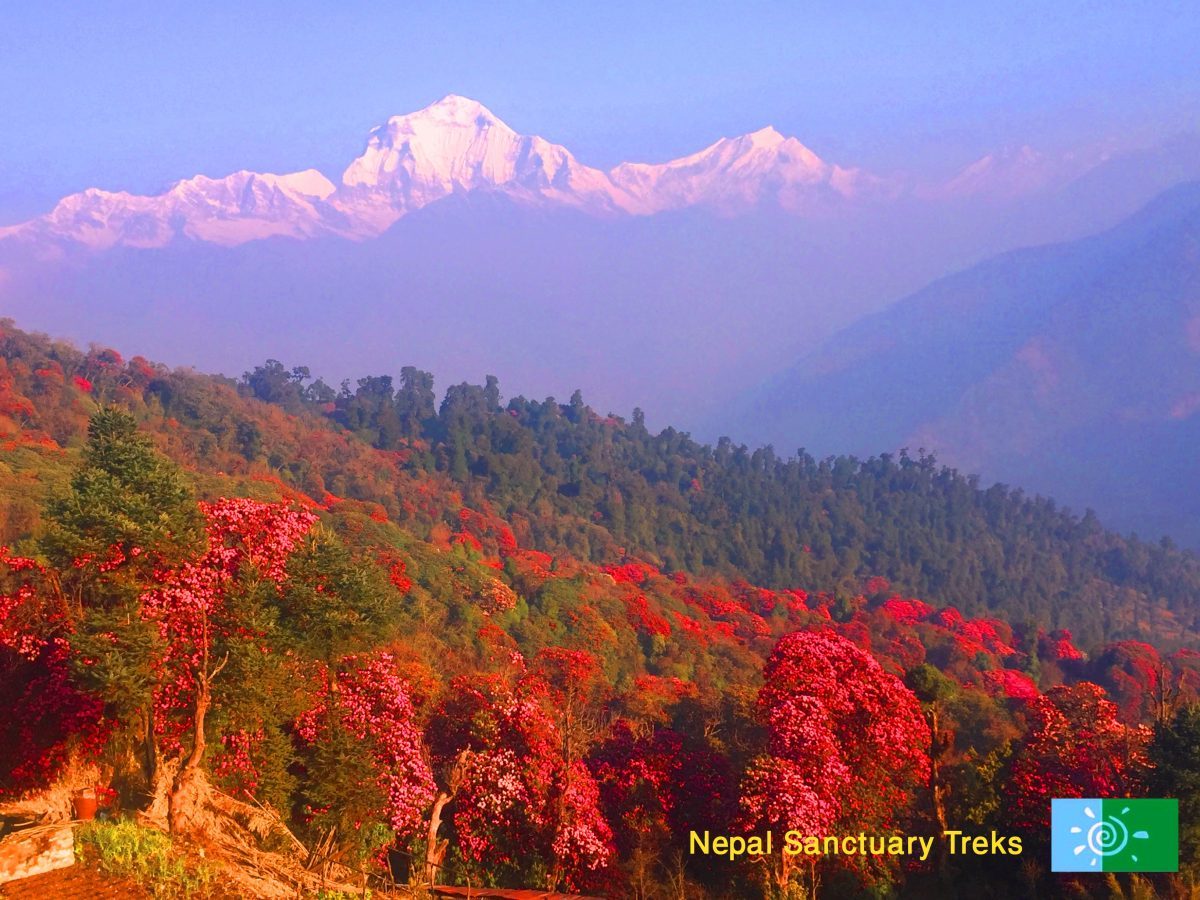
During spring, the trail is beautifully decorated with blooming rhododendron forests, clear skies, and comfortable temperatures, making it one of the most scenic times for trekking in the Annapurna region. Autumn offers crisp air, dry trails, and crystal-clear Himalayan views after the monsoon season.
Winter (December to February) is also possible, but cold temperatures and occasional snow can make the higher sections like Mulde Peak more challenging. The monsoon season (June to August) is generally less ideal due to heavy rain, slippery trails, and limited mountain visibility, although the lower trails remain lush and green.
Overall, spring and autumn provide the most rewarding experience for both sunrise viewpoints—Poon Hill (3,210m) and Mulde Peak (3,637m).
Poon Hill Mulde Peak Trek Cost
The cost of the Poon Hill Mulde Peak Trek depends on factors such as group size, duration, level of service, and inclusions like guide and porter services. On average, the trek costs between USD 600 to USD 1,200 per person for a standard package in Nepal.
A typical trekking package includes:
- Airport pickup and drop in Kathmandu or Pokhara
- Ground transportation to and from the trailhead
- Licensed trekking guide
- Porter services (if required)
- Accommodation in teahouses
- Meals (breakfast, lunch, dinner during trek)
- Annapurna Conservation Area Permit (ACAP) arrangement
- TIMS card (if applicable)
- Government taxes and service charges
Additional personal expenses may include hot showers, Wi-Fi, charging devices, snacks, beverages, travel insurance, and tips for guide and porter.
Private treks with luxury services or customized itineraries may cost more, while group joining treks are more budget-friendly.
Permits Required for Poon Hill Mulde Peak Trek
Trekkers planning the Poon Hill Mulde Peak Trek must obtain specific permits to enter the Annapurna region. These permits help support conservation efforts and maintain trekking infrastructure in the Himalayas.
Annapurna Conservation Area Permit (ACAP)
The ACAP permit is mandatory for all foreign trekkers. It allows entry into the protected Annapurna Conservation Area, which includes Ghorepani, Poon Hill, and Mulde Peak.
- Foreign trekkers: NPR 3,000 (approx. USD 25)
- SAARC nationals: NPR 1,000 (approx. USD 10)
TIMS Card (Trekkers’ Information Management System)
The TIMS card may be required depending on current government regulations and trekking arrangements. It helps ensure trekker safety and tracking within Nepal’s trekking routes.
Permit Arrangement
Most trekking agencies handle all required permits on behalf of trekkers. Travelers usually need to provide passport copies and photos before the trek begins.
How to Reach Poon Hill Mulde Peak Trek Starting Point
The Poon Hill Mulde Peak Trek starts from the Annapurna region of Nepal, with the most common access point being Pokhara, the gateway to Himalayan trekking.
From Kathmandu to Pokhara
- By flight: Approximately 25–30 minutes
- By tourist bus or private vehicle: 6–8 hours
Pokhara is the main hub for trekking preparation, gear rental, and final arrangements before starting the trek.
From Pokhara to Nayapul / Ghandruk / Ulleri
From Pokhara, trekkers usually travel by road to one of the starting points such as:
- Nayapul (classic Poon Hill route)
- Ghandruk (scenic village entry)
- Ulleri (steep stair ascent route)
The drive takes approximately 1.5 to 3 hours depending on the starting point.
Trek Route to Poon Hill & Mulde Peak
From the trailhead, the trek passes through beautiful villages such as:
- Tikhedhunga
- Ulleri
- Ghorepani
- Tadapani
- Dobato (for Mulde Peak viewpoint)
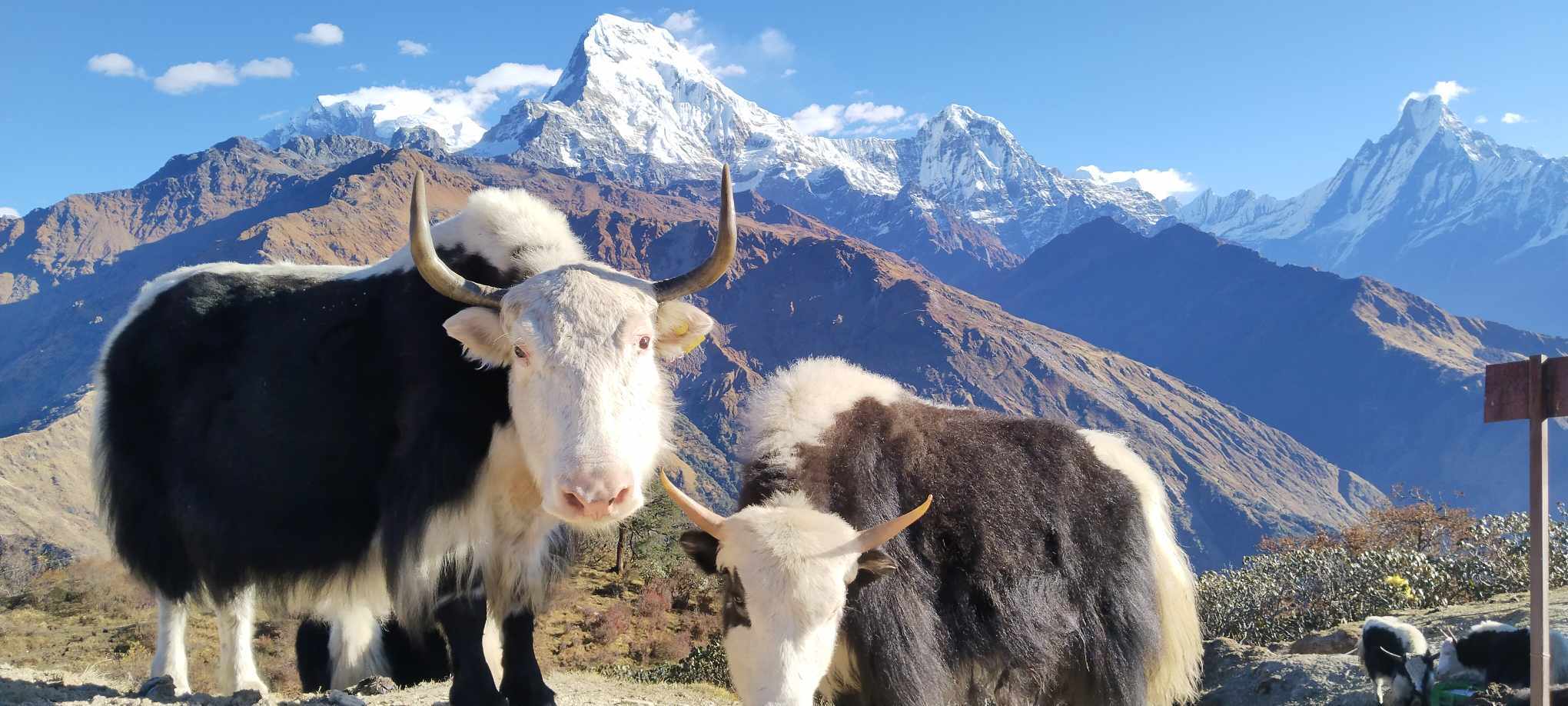
The journey combines lush rhododendron forests, traditional Gurung settlements, and panoramic Himalayan viewpoints, making it one of Nepal’s most rewarding short treks.
Electricity in Teahouses on Poon Hill Trek
Most teahouses along the Poon Hill Trek provide electricity through local hydropower or solar systems, but reliability varies with location and weather. Lower villages like Ulleri and Ghandruk generally have stable power, while higher or remote stops such as Ghorepani and Tadapani may experience shortages or limited supply.
Lodges usually offer communal charging stations in dining halls rather than private rooms, often for NPR 100–500 ($1–$4 USD) per device. During peak season, outlets can get crowded, and cold temperatures drain batteries quickly. Carry a high-capacity power bank and a headlamp with spare batteries, especially for the pre-dawn hike to Poon Hill summit.
Communication on Poon Hill & Mulde Peak Trek
Communication on the Poon Hill Trek is generally accessible. Most teahouses offer Wi-Fi and mobile coverage from major providers like NTC and Ncell. Ncell usually provides faster 4G in lower villages such as Ghorepani, while NTC is more reliable for voice calls and basic data at higher altitudes.
You can purchase a local SIM card in Kathmandu or Pokhara for around USD 11, which typically covers the 3- to 6-day trek. Wi-Fi at lodges usually costs NPR 200–600 ($1.50–$4.50 USD) per day, though speeds can drop during peak hours or bad weather. To stay connected, download maps and essential apps offline, as signals may be weak in forested or remote areas.
Difficulty and Physical Fitness for Poon Hill & Mulde Peak Trek
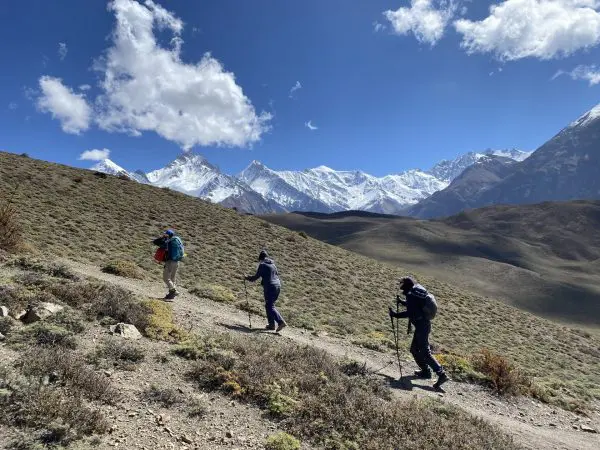
The Poon Hill and Mulde Peak trek is moderate, ideal for beginners, families, or those seeking a short Himalayan adventure. Poon Hill (3,210 m) and Mulde Peak (3,637 m) pose low risk for severe altitude sickness, though mild symptoms may occur above 2,500 m.
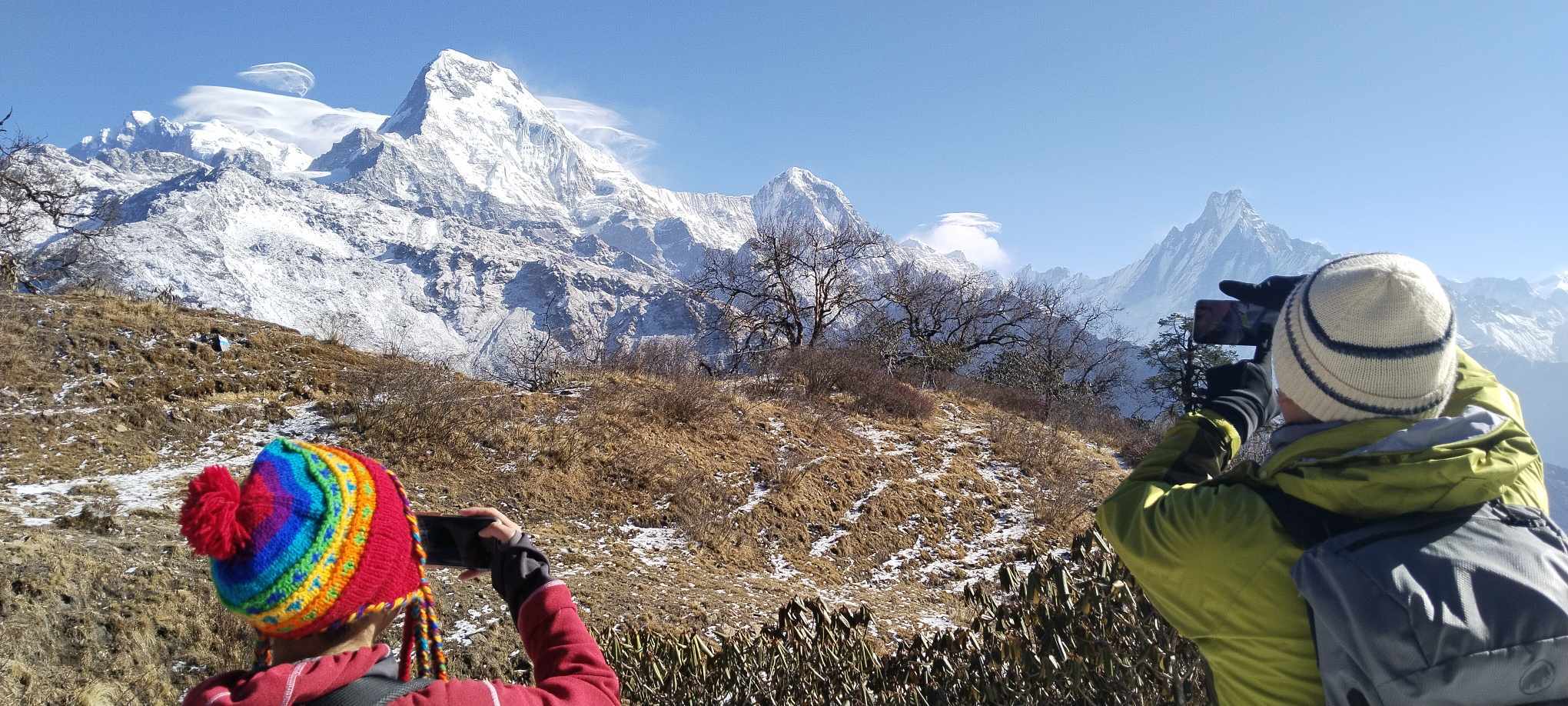
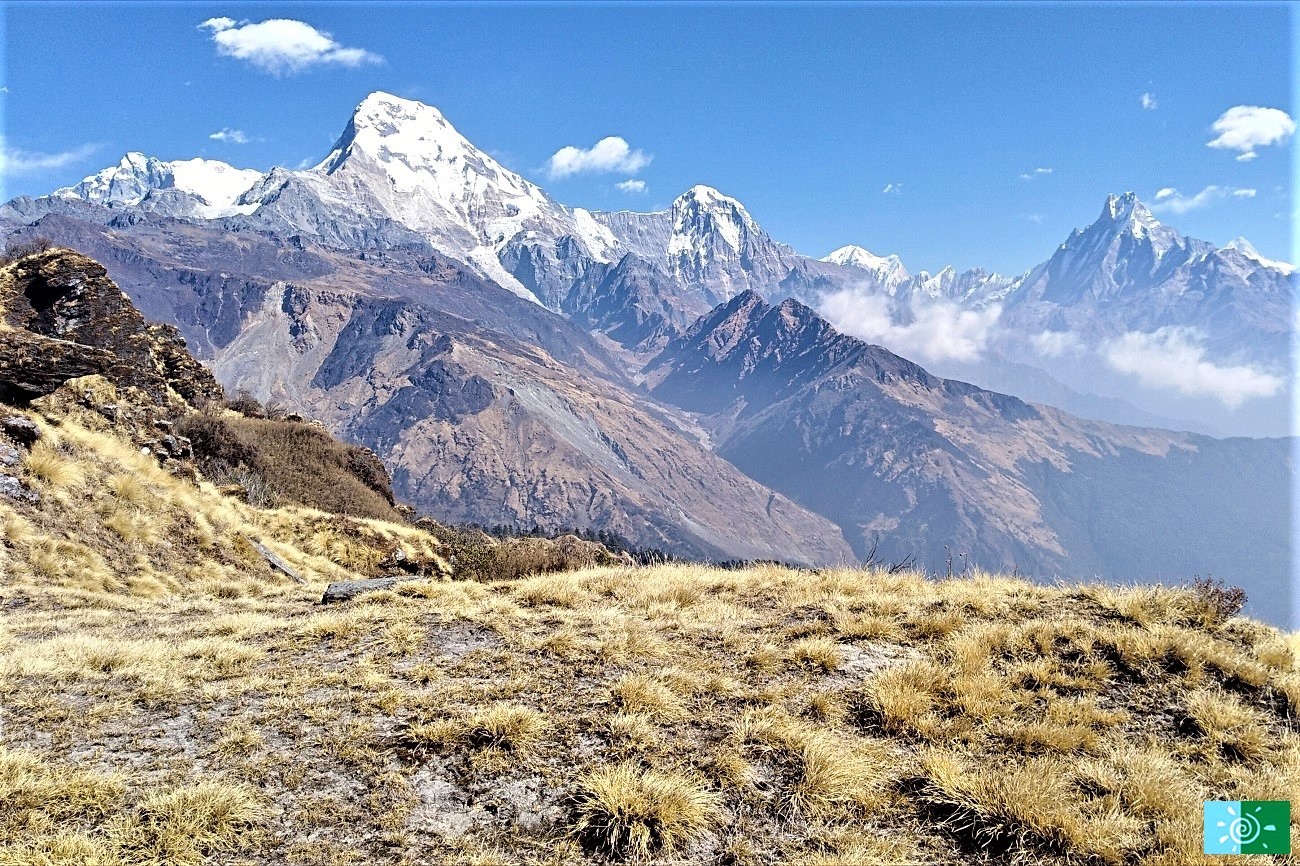
Trails mostly follow stone steps and forest paths, with steep sections like the 3,000+ steps from Tikhedhunga to Ulleri. Daily hikes take 4–7 hours, covering 7–10 km. Poon Hill is popular and crowded at sunrise, while Mulde Peak offers quieter trails and panoramic views of Annapurna and Dhaulagiri.
The trek requires no technical skills, but basic fitness is essential. Light cardio and practice on hills or stairs help build stamina and leg strength. Mental preparation is equally important—listen to your body, rest when needed, and set small goals. Dress in layers, manage expectations for facilities and food, and use yoga or meditation to improve focus and reduce stress. Maintain rest, hydration, and a balanced diet to stay energized.
By combining physical training, mental readiness, and proper self-care, trekkers can enjoy a safe and rewarding Himalayan experience.




 Altitude:
5,240m/17,191ft.
Altitude:
5,240m/17,191ft.
 Difficulty:
Strenuous
Difficulty:
Strenuous